Quick Answer
The main wedding photography styles are documentary (candid, unposed storytelling), traditional (structured, posed portraits), fine art (composed, artistic, and often film-based), and editorial (posed like a magazine shoot). Most Denton photographers blend two or three. Look at a photographer's full galleries, not just their best shots, to see which style they actually deliver.
Wedding photographers throw around style names like documentary, fine art, and editorial as if every couple already knows the difference. You do not need to memorize the jargon, but knowing what each style actually produces will save you from booking a photographer whose galleries do not match what you pictured for your own wedding.
What Wedding Photography Styles Are There?
The four styles you will run into most often are documentary (candid, unposed, story-driven), traditional (structured, posed, formal), fine art (composed and artistic, often influenced by film), and editorial (posed like a magazine shoot, dramatic and intentional). Very few photographers work in only one lane. Most Denton photographers blend documentary coverage of the ceremony and reception with a handful of more composed, fine art style portraits during golden hour. The real question is not which single label fits a photographer, but which blend matches what you want your gallery to feel like.
What Is Documentary or Photojournalistic Wedding Photography?
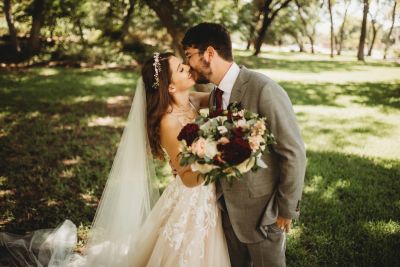
Documentary style, sometimes called photojournalistic, means the photographer observes and captures moments as they unfold rather than directing them. Nobody is told to look at the camera or hold a pose. You get your dad's face the moment he sees you in your dress, your flower girl mid-sprint down the aisle, and the real laugh at your reception instead of a cued one.
This style works well if you want your gallery to feel like a true record of your day rather than a series of arranged scenes. It asks less of you and your guests during the timeline, since nobody is stopping to pose, but it also means you get fewer of the classic, everyone-looking-at-the-camera group shots unless your photographer builds a short formal session into the day specifically for those.
What Is Traditional or Classic Wedding Photography?
Traditional or classic photography is exactly what older wedding albums look like: posed portraits, organized family groupings, and planned shots where everyone faces the camera. It is structured and predictable, which is precisely why some couples prefer it, especially when a large extended family needs clean, well-lit group photos for the album and for relatives who could not attend.
Texas weddings with big guest lists and lots of family formals often lean on traditional style for that specific part of the day, then shift into a more documentary or fine art approach once the posed family photos wrap. Ask any photographer how they structure that transition so your timeline has room for both.
What Is Fine Art Wedding Photography?
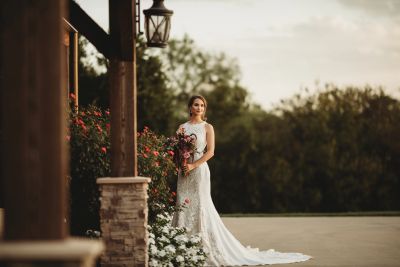
Fine art wedding photography treats each image like a composed piece rather than a quick capture. Expect deliberate framing, soft and often bright light, and an emphasis on the overall scene, your dress against a doorway, the table settings before guests arrive, rather than only faces and expressions. Many fine art photographers shoot at least some portraits on real film alongside digital, which adds a grain and color quality that digital editing cannot fully replicate.
This style rewards couples who care about the details they invested in, the invitation suite, the florals, the venue's architecture, and want a gallery that reads as intentional and elevated rather than purely candid.
What Is Editorial Wedding Photography?
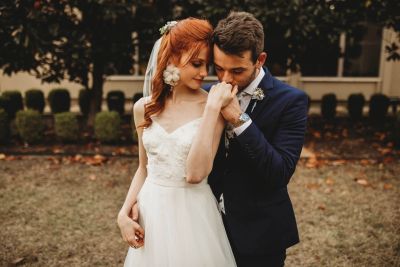
Editorial style borrows from fashion and magazine photography. Poses are directed and specific, lighting is often dramatic, and the photographer is actively creating a moment rather than only recognizing one as it happens. It tends to produce the boldest, most striking single images, the kind couples print large and hang on a wall, but it also asks the most of you in front of the camera.
What Is Light and Airy vs. Dark and Moody Editing?
These two terms describe editing, not composition, and either can be applied to documentary, fine art, or editorial work. Light and airy editing pushes toward brighter exposures, softer contrast, and warmer or pastel tones. Dark and moody editing pulls toward deeper shadows, richer color, and more contrast. Neither is objectively better, but each suits different venues and seasons.
| Editing Style | Look | Suits Best |
|---|---|---|
| Light and airy | Bright, soft, high-key | Outdoor daytime ceremonies, spring and summer weddings |
| Dark and moody | Rich shadows, saturated color | Evening receptions, indoor venues, fall and winter light |
A bright midday ceremony on a North Texas lawn in July will not read the same in dark and moody editing as it would shot indoors at a candlelit reception in November. Ask how your photographer would approach the specific light at your venue and season, not just their general editing style.
How Do the Main Styles Compare?
| Style | Posing Level | Best For |
|---|---|---|
| Documentary | Low, mostly candid | Couples who want an unposed, true-to-life record of the day |
| Traditional | High, fully posed | Large family groups, formal albums |
| Fine art | Medium, composed scenes | Couples who value detail shots and an elevated, artistic gallery |
| Editorial | High, directed poses | Couples who want a few bold, dramatic statement images |
Need a Wedding Photographer?
📸 Featured Wedding Photographer: Jordan Blalock Photography
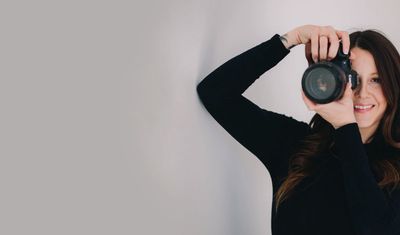
Once you know which style you gravitate toward, the next step is finding a Denton photographer whose real galleries match it. With over 8 years of experience capturing authentic love stories across North Texas, Jordan Blalock Photography specializes in timeless, elegant photography that tells your unique story while making you feel comfortable and natural.
Specialties: Wedding photography, engagement sessions, natural light photography
Service Areas: Denton, Parker County, Dallas-Fort Worth metroplex
Contact: (940) 535-8993 | jordanblalockphotography@gmail.com
How Do You Find a Photographer Whose Style Matches Yours?
Start by saving 15 to 20 images from full wedding galleries, not styled editorial shoots or stock photography, that genuinely stop your scroll. Look for the pattern across them: mostly posed or mostly candid, bright or moody, close and emotional or wide and composed. That pattern is your actual style preference, even before you know the vocabulary for it.
Then look at a photographer's full delivered galleries during your consultation, not only their portfolio highlights. A highlight reel shows a photographer's best 20 images from an entire year. A full gallery shows what your own 500 to 800 images will actually look like. Our guide to questions to ask a wedding photographer before booking covers exactly what to ask once you find a style you like.
According to Aftershoot's guide to wedding photography styles, most working photographers blend two or three styles rather than shooting purely in one, which matches what you will see looking through local galleries around Denton. Do not expect a single clean label. Expect a blend, and judge the blend on the actual finished galleries, not the buzzwords in a photographer's bio.
Does Style Affect Price or Timeline?
Style alone rarely changes the price of a Denton wedding photography package, since most photographers price by coverage hours and deliverables rather than editing style. It can affect turnaround time, since fine art and film-influenced editing often takes longer than a straightforward documentary edit. For a full breakdown of what drives cost locally, see our guide to how much a wedding photographer costs in Denton.
If you are weighing whether you need a second photographer to cover more of the day in your chosen style, our post on whether you need a second shooter walks through when that upgrade makes sense.
What Should You Do Next?
Book an engagement session before your wedding day if your photographer offers one. It is the easiest way to see your chosen style applied to real photos of you, not just other couples, before you commit to a full wedding package. Our guides to engagement photo locations in Denton and bridal portrait locations in Denton are good starting points once you know the look you want. From there, our roundup of the best wedding photographers in Denton is the place to start comparing galleries, and our contact page is open if you want help thinking through which style fits your day.
Frequently Asked Questions
Can a photographer shoot more than one style?
Yes, and most do. Many Denton photographers blend documentary coverage during the ceremony and reception with a few fine art or editorial style portraits during golden hour. Ask to see a full wedding gallery, not just a highlight reel, to see how they balance the two.
Which style is best for a traditional Texas wedding with lots of family formals?
Traditional or classic style handles large family formals most efficiently, since it relies on organized, posed groupings. Many couples pair a traditional approach to family photos with a documentary approach for the rest of the day, getting organized formals without a fully posed gallery.
Does dark and moody editing work for outdoor Texas weddings?
It can, though it depends on your venue and season. Dark and moody editing tends to suit indoor venues, evening receptions, or fall and winter light more than a bright midday ceremony under the Texas sun, so ask your photographer how they would edit your specific venue and time of day.
How do I know which style I actually want?
Save 15 to 20 images from real weddings, not styled shoots or stock photos, that make you stop scrolling. Look for the pattern in them, posed or candid, bright or moody, close-up or wide. That pattern is your style, even if you do not know the technical name for it yet.
Does photography style affect how long editing takes?
Sometimes. Fine art and film-influenced editing tends to take longer than a straightforward documentary edit because of the color grading and retouching involved. Ask your photographer directly about their turnaround time so it matches your expectations, especially if you need images back before a specific date.
Should engagement photos match your wedding photography style?
It helps. An engagement session in the same style as your wedding day gives you a preview of how your gallery will look and lets you get comfortable in front of that photographer's camera before the wedding. If the two look nothing alike, ask why before you book.
Denton Wedding Guide
Your trusted guide to wedding planning in Denton, Texas